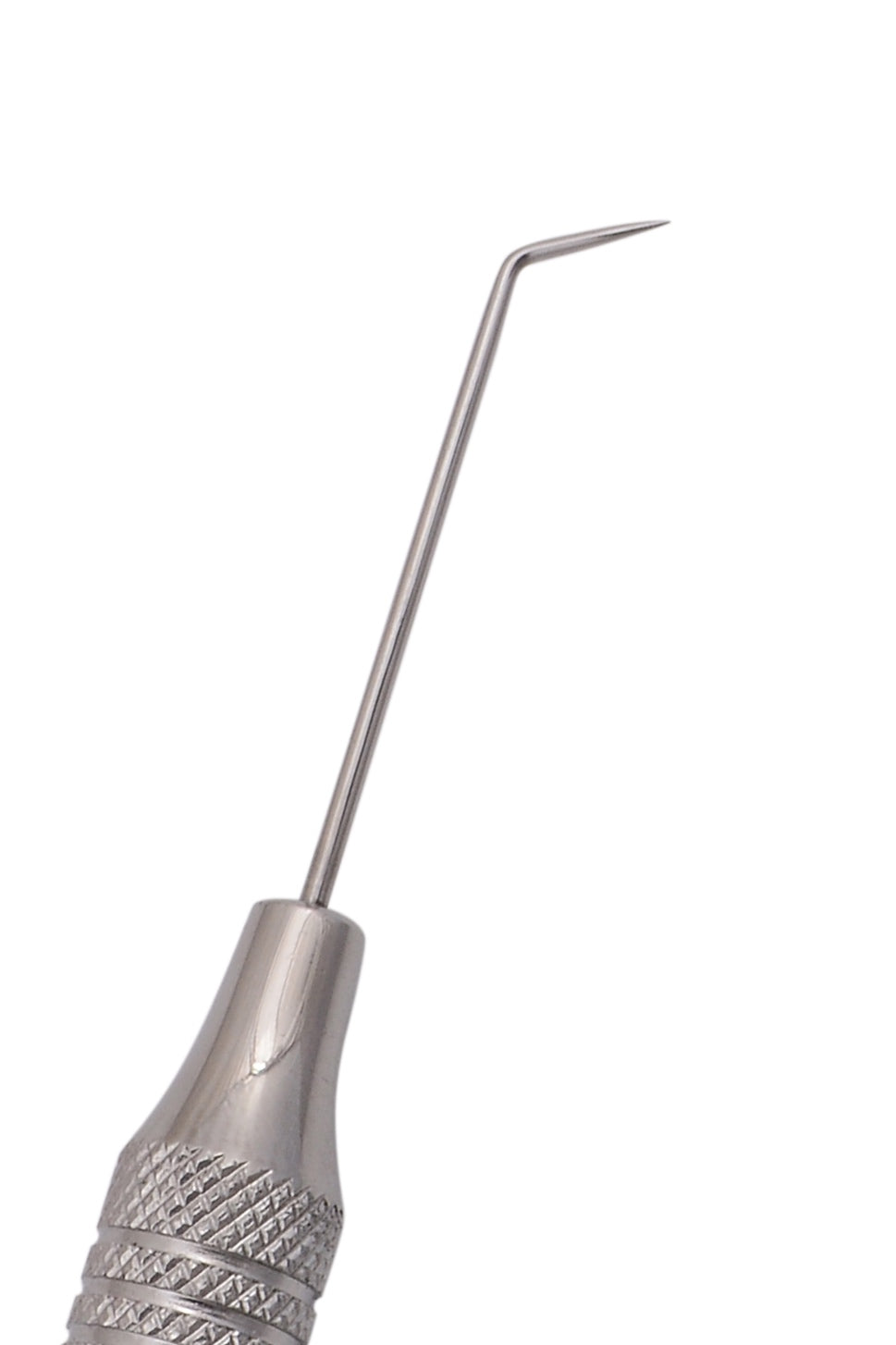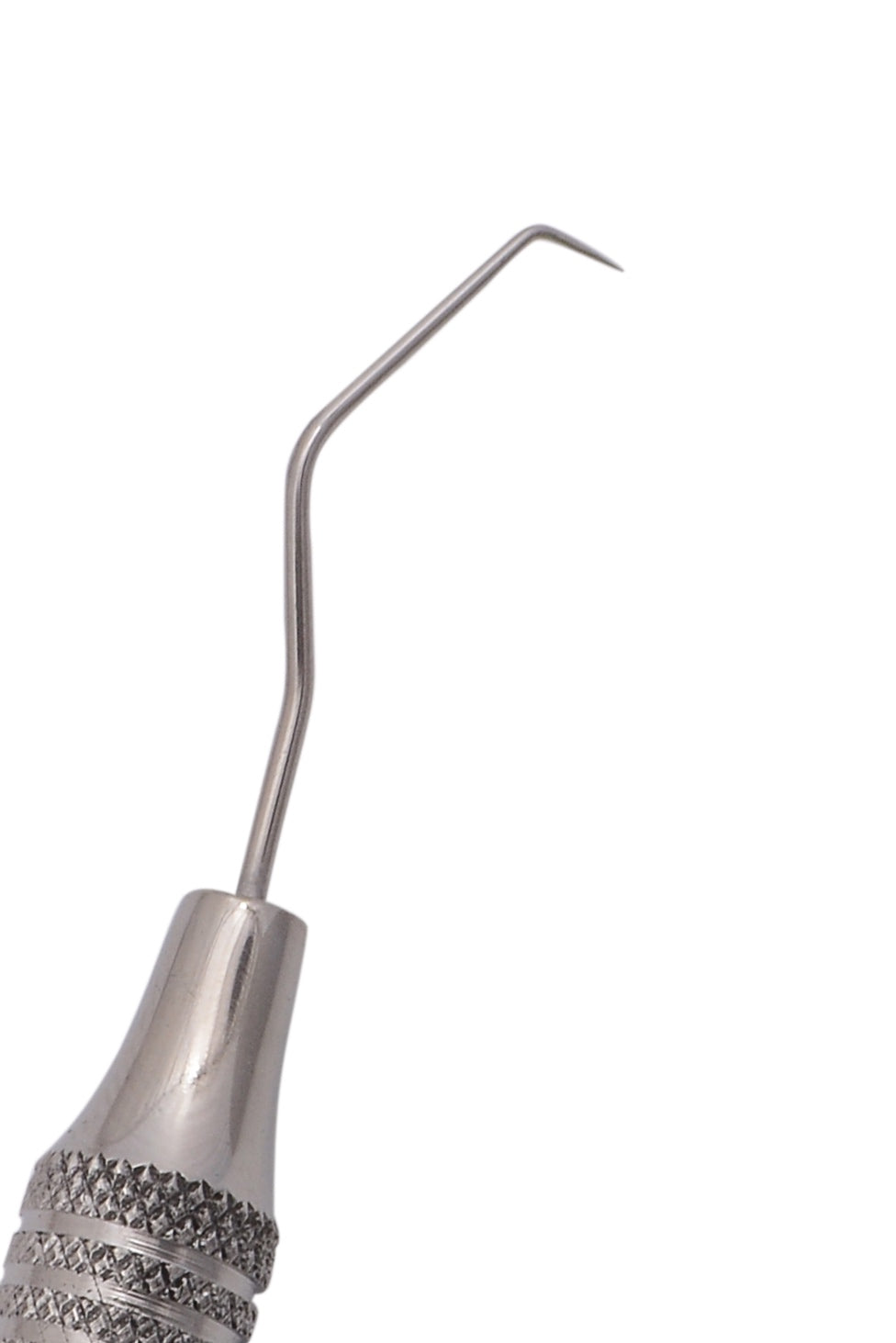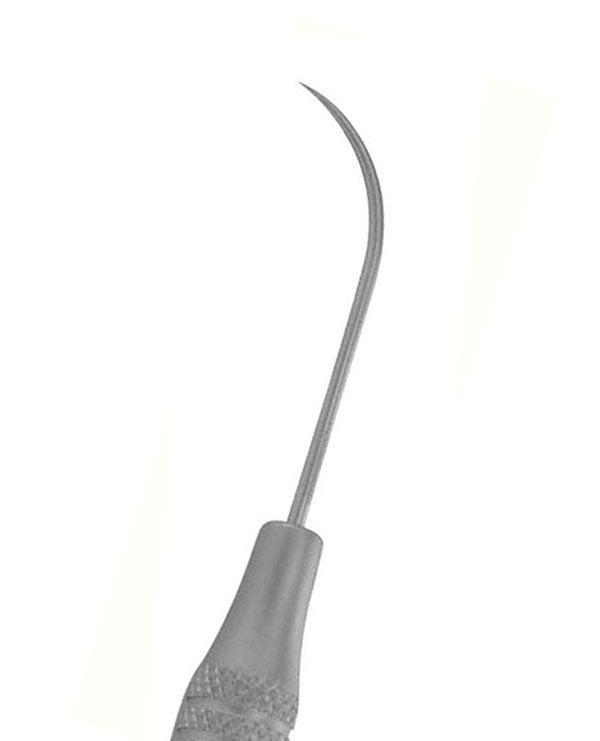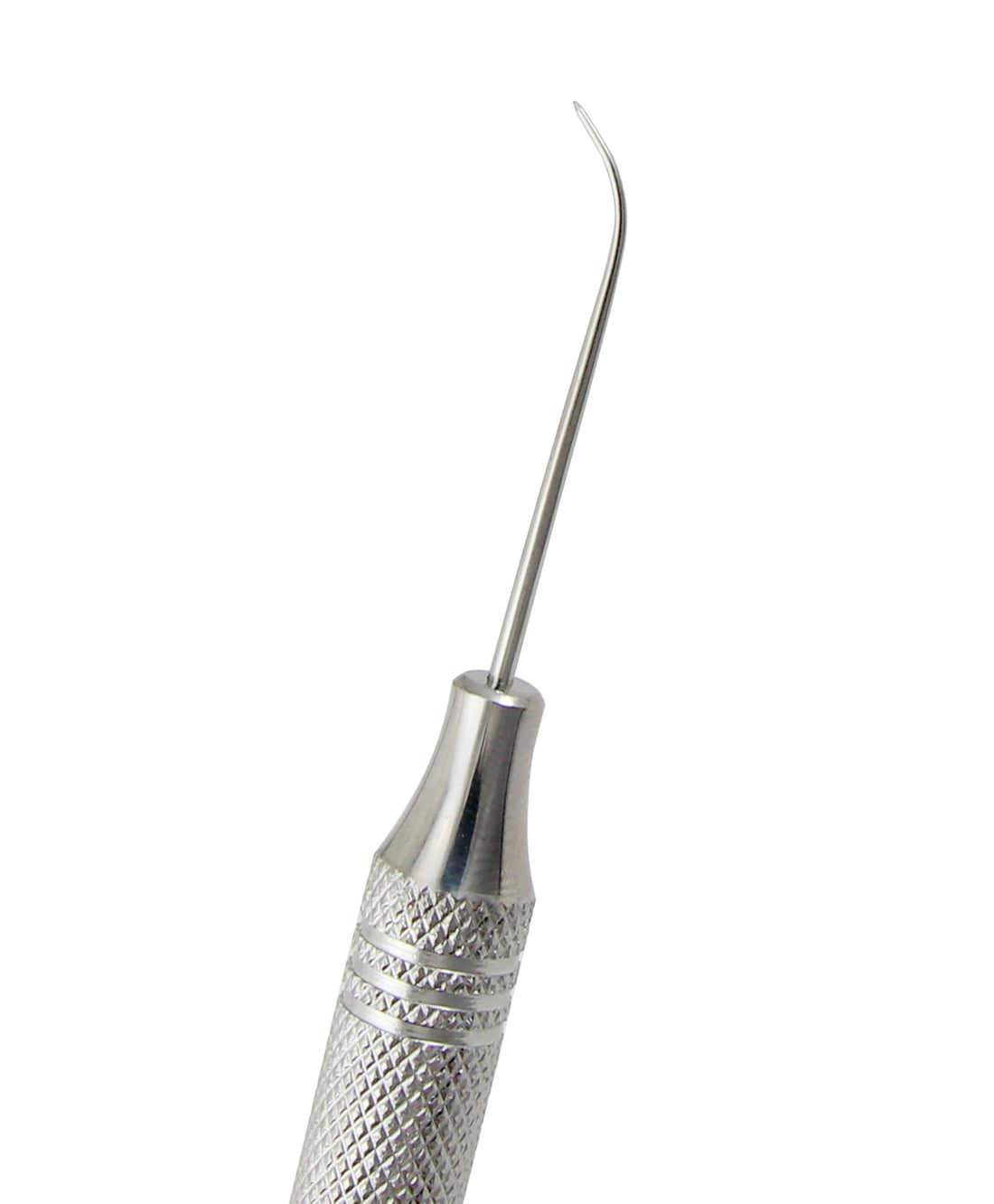
Selecting the right dental explorers is crucial for accurate diagnosis and patient safety in US dental clinics. The correct instrument ensures precise caries detection, efficient plaque assessment, and minimizes tissue damage.
Hunza Dental recommends following a step-by-step, data-driven selection process to choose explorers based on material, tip design, ergonomics, and clinic workflow.

Why Dental Explorers Matter
Dental explorers are essential for early detection of caries, plaque, and enamel irregularities.
-
Accurate explorers improve diagnostic efficiency by 35–50% compared to standard visual inspection alone.
-
Using ergonomically designed explorers reduces dentist hand fatigue by up to 25% during prolonged procedures.
-
Proper selection minimizes patient discomfort and risk of soft tissue injury.
Key entities to consider: ADA guidelines, stainless steel vs titanium instruments, ergonomic handle designs, tip shapes (sharp vs rounded), and US clinic compliance.
Step 1: Identify the Clinical Purpose
Different procedures require different explorer types.
-
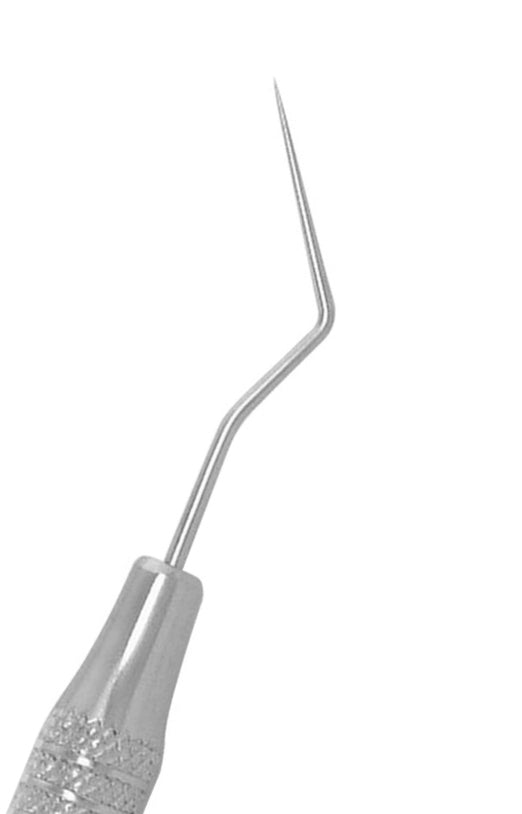
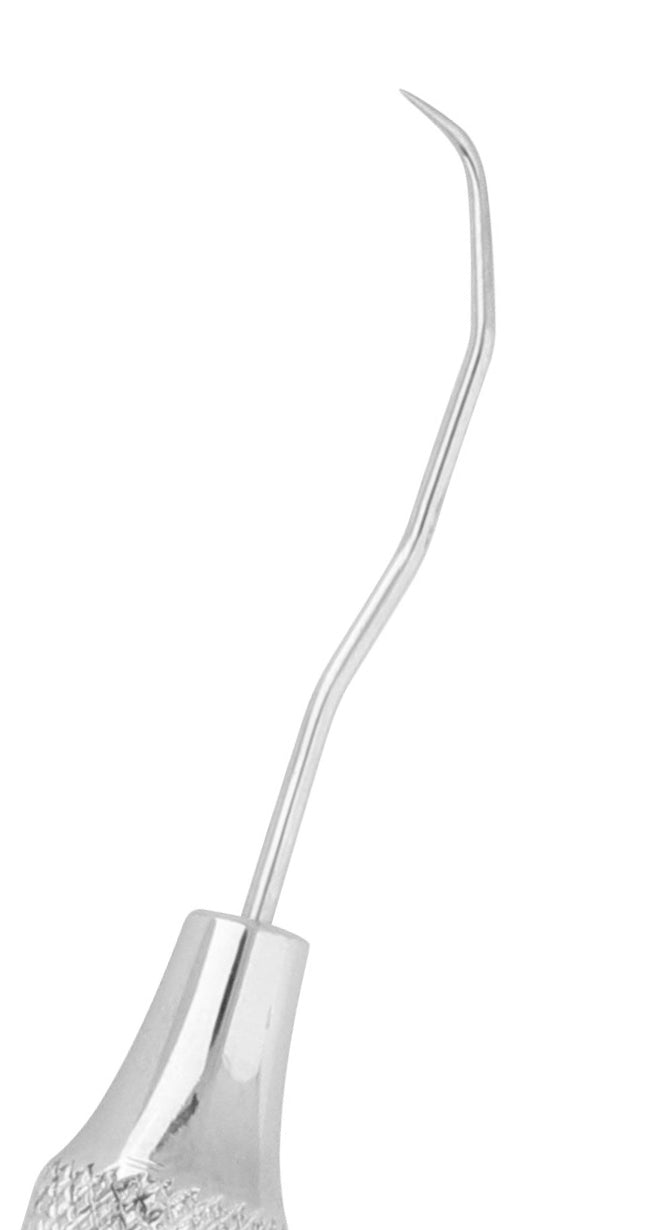
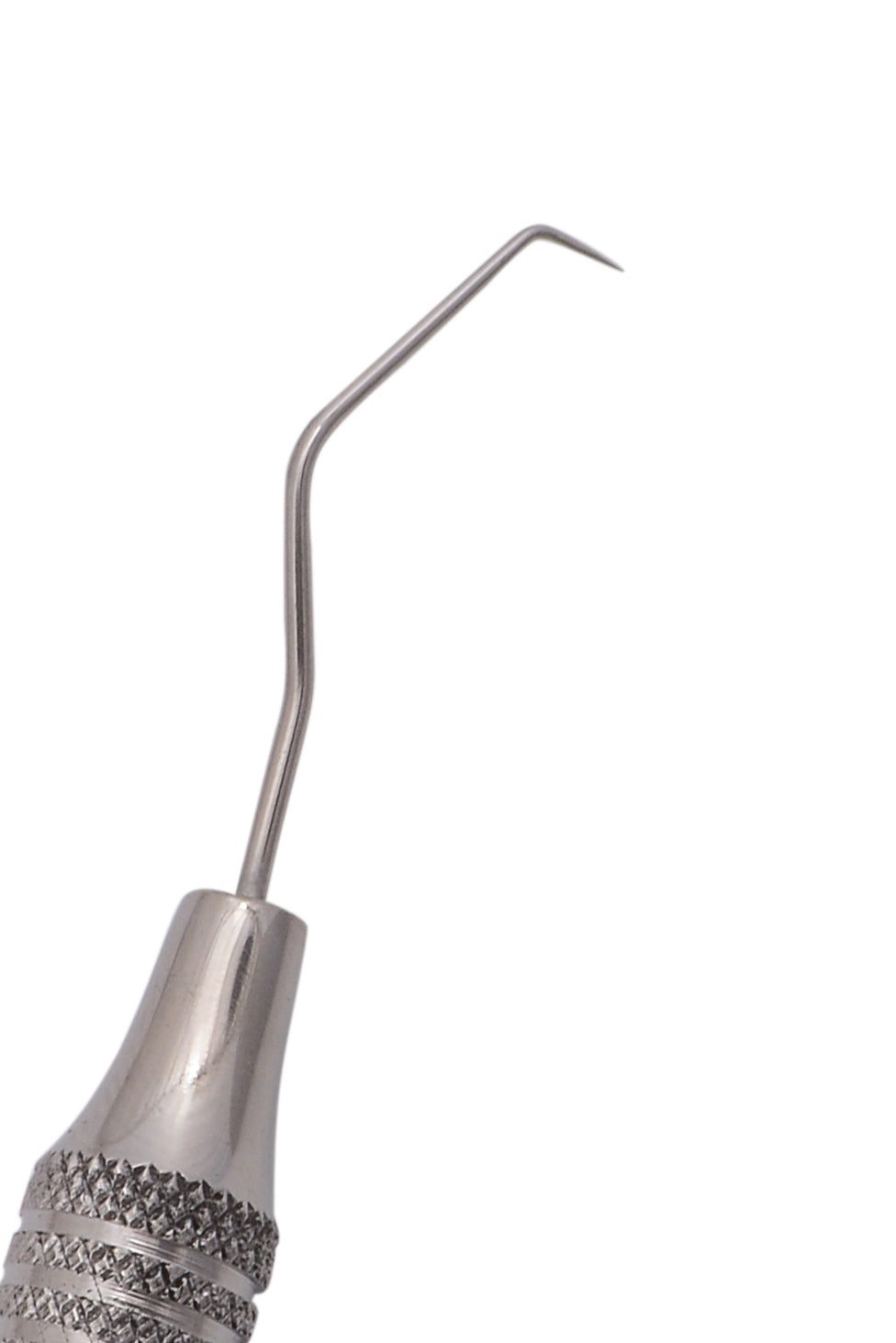
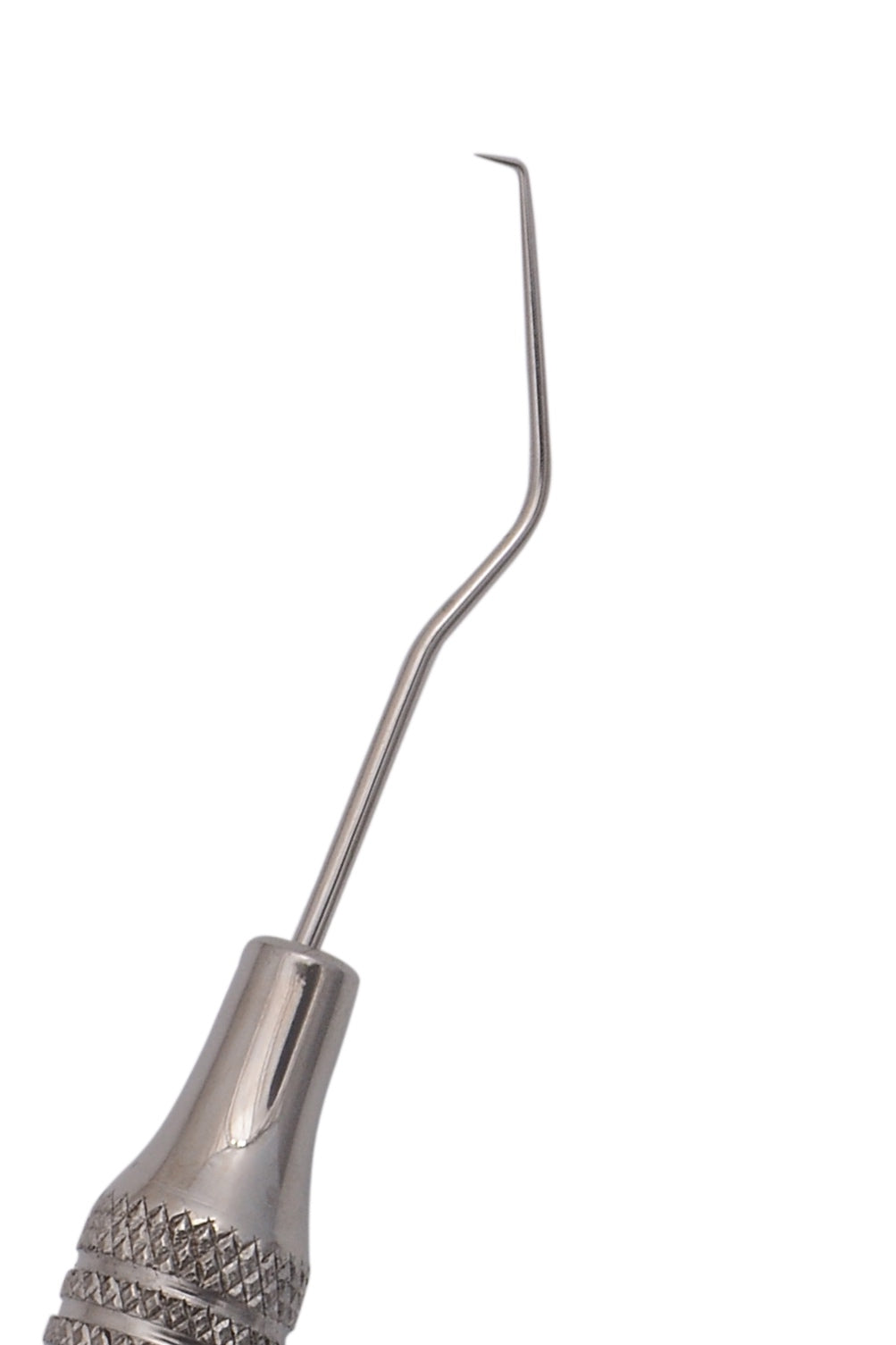
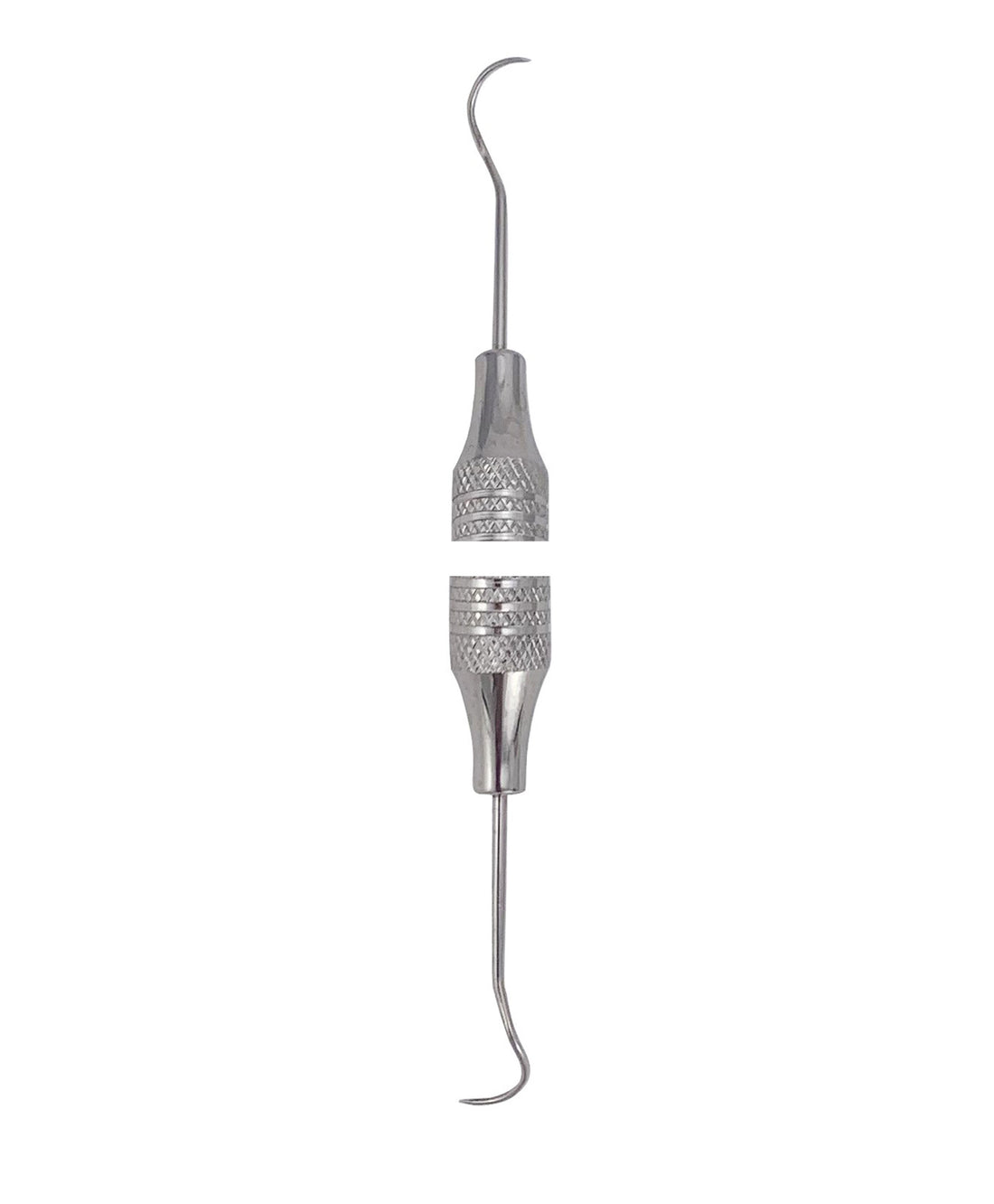
Caries detection: Thin, sharp tips (e.g., #23, #17/23)
-
Plaque and calculus assessment: Slightly blunted tips to avoid tissue damage
-
Periodontal probing support: Angled explorers with ergonomic handles
Recommendation: Map each explorer type to the procedure it is primarily intended for.
Step 2: Evaluate Material and Durability
Explorer material affects precision, longevity, and sterilization.
-
Stainless steel: Affordable, durable, easy to sterilize, common in US clinics
-
Titanium: Lighter, reduces hand strain, corrosion-resistant, often used in high-volume clinics
-
Ergonomic composite handles: Reduce repetitive stress, improve tactile feedback
Numeric guidance: Stainless steel explorers can last 5–7 years with proper sterilization; titanium models may last 7–10 years.
Step 3: Assess Tip Design
Tip shape directly impacts diagnostic accuracy.
-
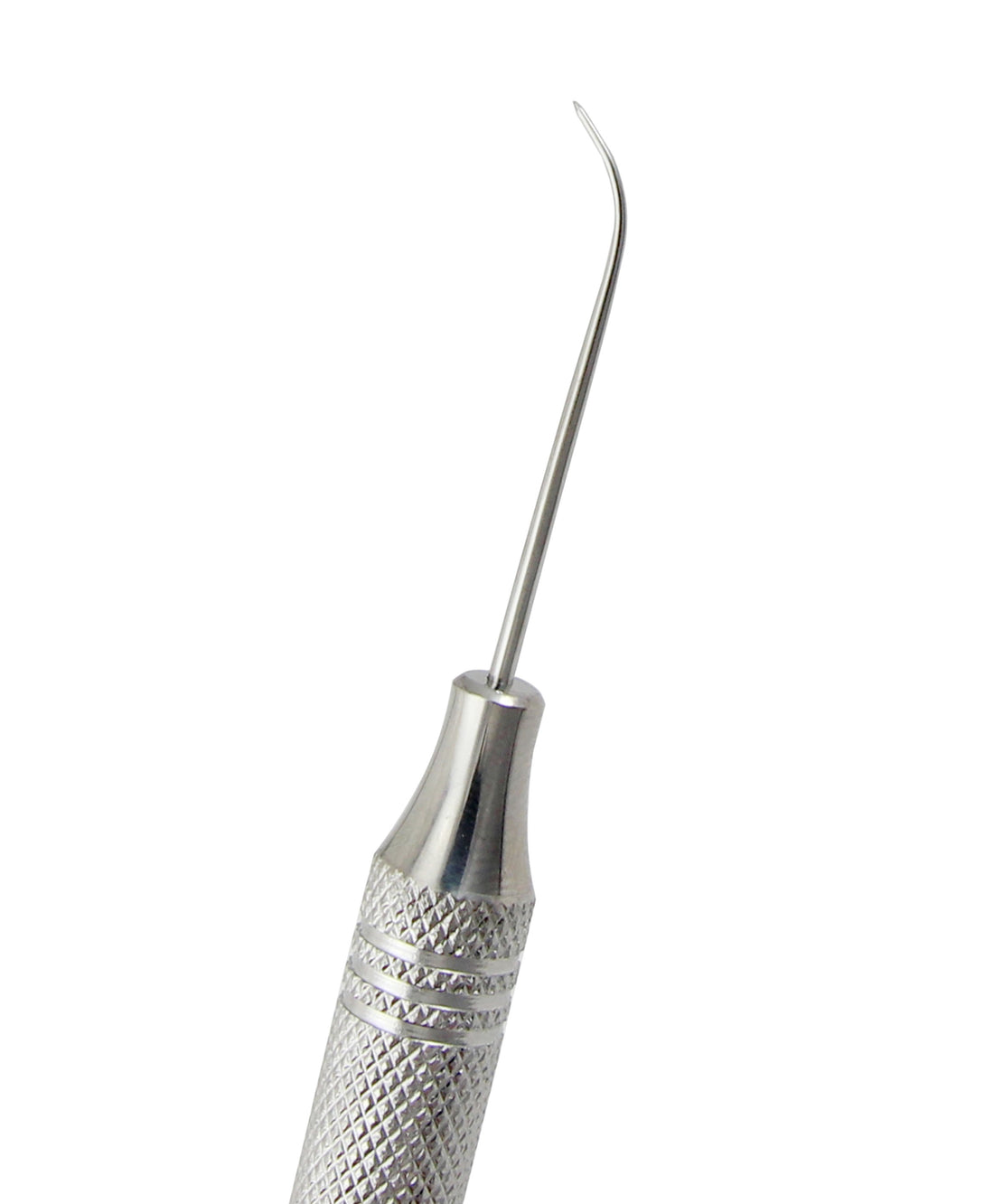
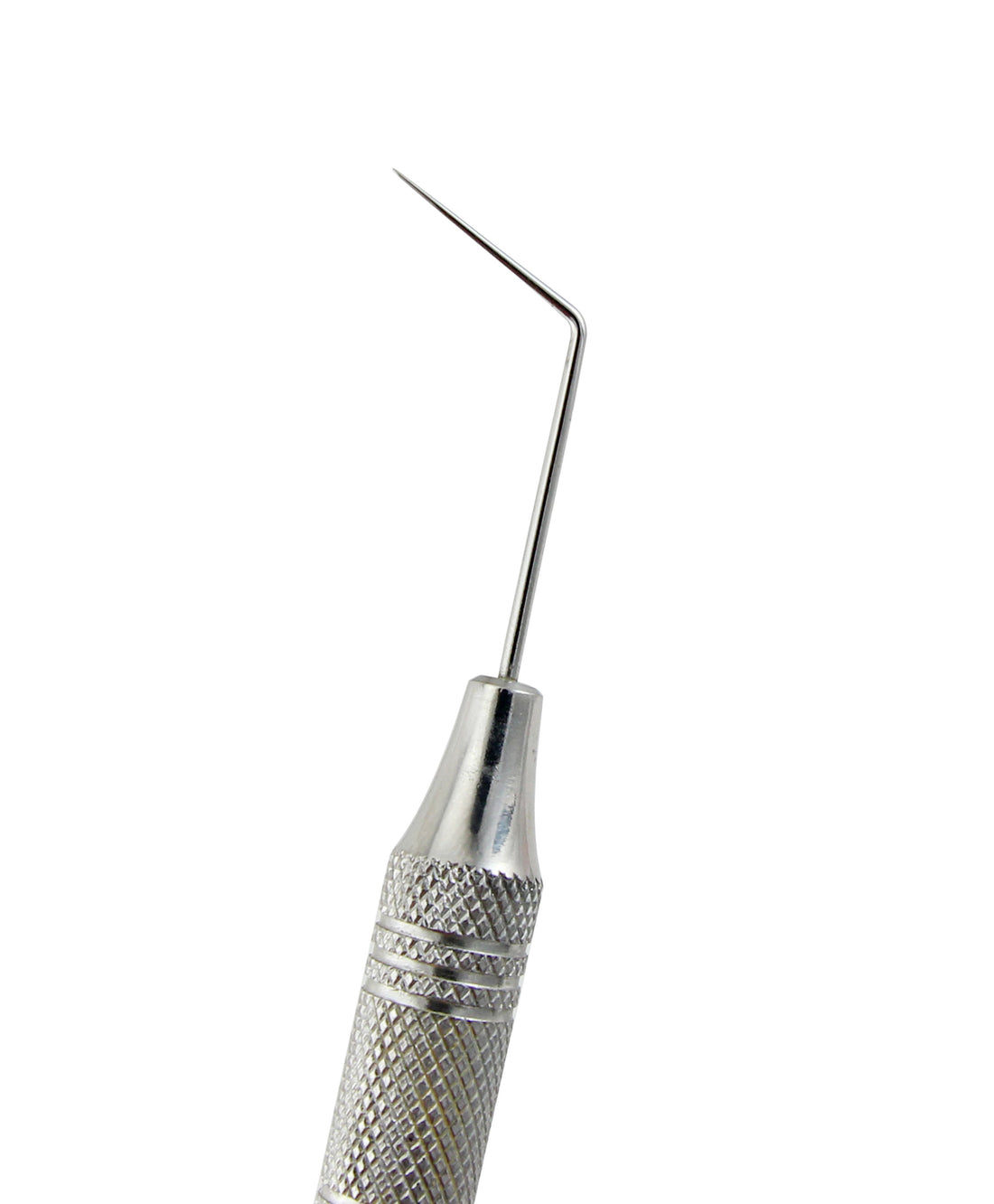
Sharp-pointed tips: Best for caries detection on enamel surfaces
-
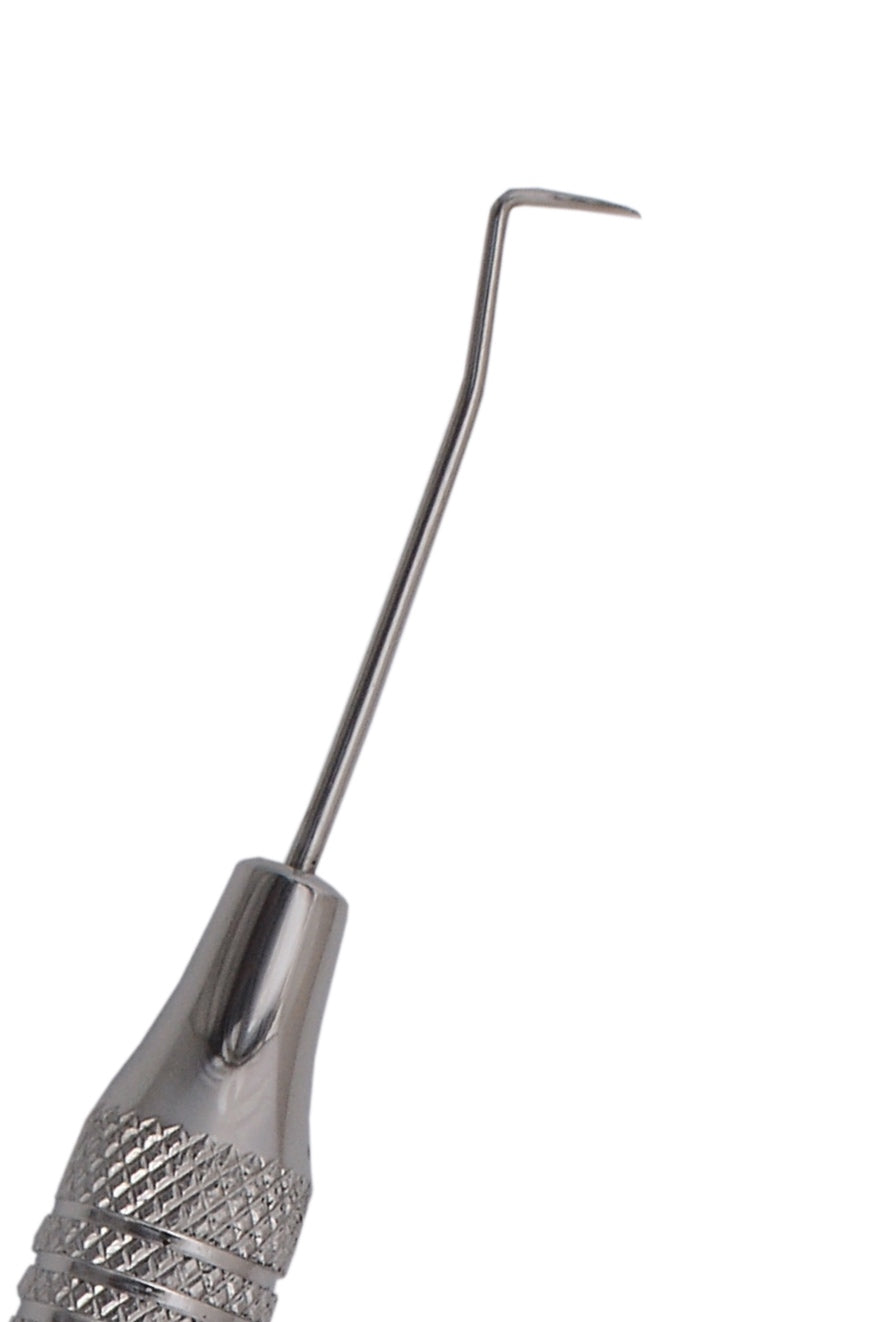
Blunt tips: Safer for probing plaque and calculus
-
Angled tips: Access hard-to-reach posterior teeth
Practical example: A #23 explorers with a sharp tip identify incipient lesions on molars with 90% detection accuracy.
Step 4: Consider Ergonomics
Comfortable handle and grip reduce fatigue and improve precision.
-
Hexagonal or rounded handles: Prevent slipping
-
Lightweight designs: Reduce hand strain during long sessions
-
Textured grips: Enhance control during delicate maneuvers
Quantifiable effect: Ergonomic explorers can reduce dentist hand strain by up to 25%, improving accuracy over longer procedures.
Step 5: Check Sterilization Compatibility
Ensure the explorer is compatible with autoclaves and US clinic sterilization standards.
-
Stainless steel and titanium are autoclavable up to 135°C
-
Avoid handles or coatings that degrade under high heat
-
Follow ADA sterilization cycles (pre-cleaning, ultrasonic cleaning, autoclave)
Step 6: Confirm Regulatory Compliance
All explorers must comply with ADA and US dental regulations.
-
CE and FDA markings ensure safety and quality
-
Instruments should meet ISO 3696 and ISO 22674 standards for medical devices
Step 7: Practical Selection Tips
-
Match tip shape to procedure (sharp for caries, blunt for plaque)
-
Choose lightweight, ergonomic handles to reduce fatigue
-
Select material based on durability and sterilization preferences
-
Verify regulatory compliance before purchase
Example: For a high-volume clinic in New York, using a #23 stainless steel explorers with an ergonomic composite handle improves detection rates and reduces strain during 40+ patient sessions per week.
Recommended Explorers for Hunza Dental Clinics
|
Type |
Material |
Tip |
Use Case |
|
#23 |
Stainless steel |
Sharp |
Caries detection, occlusal surfaces |
|
#17/23 |
Titanium |
Angled sharp |
Posterior caries, interproximal areas |
|
EXD-01 |
Stainless steel |
Blunt |
Plaque and calculus assessment |
|
Pediatric Explorer |
Stainless steel |
Rounded |
Child patients, safety focus |
Conclusion
Selecting the best dental explorer combines material, tip design, ergonomics, sterilization compatibility, and regulatory compliance.
Hunza Dental recommends:
-
Identify procedure-specific requirements
-
Choose durable material (stainless steel or titanium)
-
Prioritize ergonomic handle designs
-
Ensure autoclave compatibility
-
Verify ADA/US regulatory compliance
By following these 7 steps, dental practices achieve high diagnostic accuracy, improved patient safety, and reduced dentist fatigue.